
Blogs

Understanding Large Language Models
Discover what a Large Language Model (LLM) is, how these AI powerhouses work, and why they are transforming technology and business in 2026
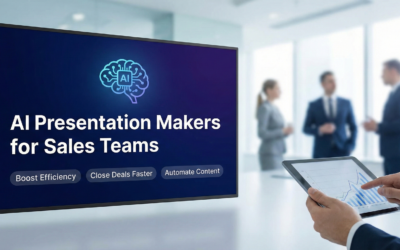
The Best AI Presentation Makers for Sales Teams: Scale Your Pitch Without Losing Your Brand
rom the enterprise-grade brand governance of Prezent.ai to the interactive, web-native layouts of Gamma, we’ve ranked the top tools that empower reps to spend less time formatting and more time selling. Read on to find the perfect platform to automate your workflow and win your next big meeting.
The Best AI Presentation Tools for Marketing: Tested & Ranked for 2026
Creating professional slide decks used to take all weekend. Not anymore. We put the top 10 AI presentation makers to the test to see which ones actually save time versus which are just hype. From enterprise-grade solutions like Prezent.ai to creative powerhouses like Tome and Gamma, here is the definitive guide to modernizing your workflow and defeating “Death by PowerPoint” forever.
Top 10 AI Presentation Tools (Tried & Tested): Create Stunning Decks in Minutes
Stop fighting with PowerPoint. We tested the top 10 AI presentation tools—including Beautiful.ai, Prezent.ai, and Gamma—to help you save hours and build professional slides instantly.
The Future of AI Marketing
Stop optimizing for keywords. Start optimizing for LLMs. Here is the 2026 guide to Generative Engine Optimization
Human-First Media as Premium Ad Real Estate: Why Design Taste Trumps Automation Alone
Human-first media—authentic, taste-driven content—claims 2026’s premium ad real estate on Instagram and TikTok. Outperforming automation with 3x engagement and 40% longer dwell times, Crongenix proves design taste builds trust and revenue. Dive into strategies blending human creativity with AI scale
Social Commerce 2.0: Turning Instagram and TikTok into Full-Funnel Sales Machines
Unlock Social Commerce 2.0 on Instagram and TikTok—transform viral scrolls into seamless full-funnel sales with native checkouts, live shopping, and AI-driven personalization projected to drive $2 trillion globally by 2026

Server-Side Tracking 101: A Non-Technical Guide for Marketing Managers
Are your Facebook Ads reporting zero sales while your Shopify store shows ten? The problem isn’t your ads; it’s your tracking. In this non-technical guide, we explain the shift from “Client-Side” to “Server-Side” tracking—the critical infrastructure change that helps modern brands bypass ad blockers, improve site speed, and reclaim their lost data.

The End of Generic Content: Why “Average” Blog Posts Are Dead (And What to Write Instead)
The era of “how-to” guides is over. With AI flooding the web with competent but soulless articles, “average” content is now invisible to search engines. This post explores the concept of “Information Gain” and outlines the specific strategy shift you need—from generic explanations to experience-based insights—to keep your brand relevant.

The “Dark Social” Funnel: Tracking Attribution in a Private-Sharing World
Stop ignoring your most valuable traffic. “Dark Social”—private sharing via Slack, WhatsApp, and DMs—accounts for the majority of modern B2B decisions. This guide explains why your attribution software is broken and offers a practical framework to measure the invisible impact of word-of-mouth.
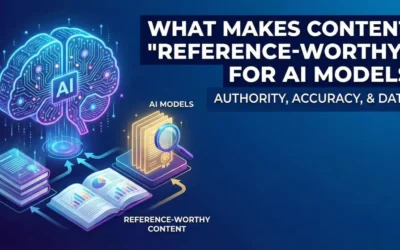
What Makes Content “Reference-Worthy” for AI Models
The era of “Answer Ownership” is here. As search behavior shifts from hunting through blue links to asking AI for direct answers, the rules of content strategy have fundamentally changed. It is no longer enough to just be indexed; your content must be ingested, understood, and trusted. In this guide, we break down exactly how Large Language Models (LLMs) “read” your website and the specific techniques—from Atomic Content Design to Entity Association—that ensure AI models cite you as the source of truth.
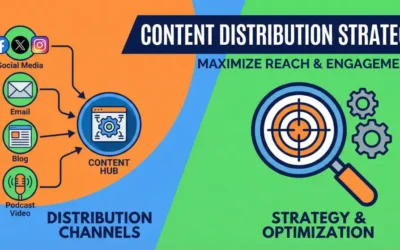
Content Distribution Strategy: Creating Content Is Only 20% of the Work
Most content fails not because it lacks quality, but because it lacks distribution. This guide explains why creating content is only 20% of the work—and how a strategic distribution approach drives visibility, authority, and real business results.